The Best Softphones in 2026, and How to Actually Pick One
If you’ve ever made a phone call from your laptop, you’ve probably used a softphone without knowing the name for
Read more
Your No.1 Technology News Hub

If you’ve ever made a phone call from your laptop, you’ve probably used a softphone without knowing the name for
Read more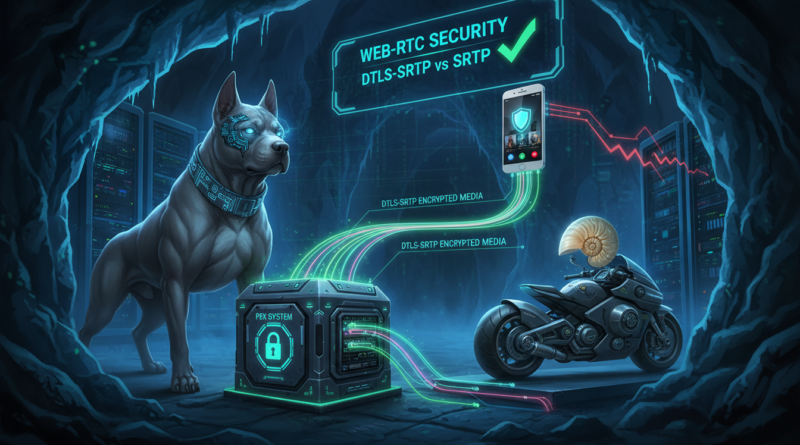
Secure calling has two layers: protecting SIP signalling and protecting the media stream. While traditional SIP setups can mix RTP and SRTP, WebRTC browsers default to strict encrypted media, which can catch PBX environments off guard.
Read more
One-way audio is frustrating because calls connect, but RTP/SRTP still fails — usually due to NAT, firewalls, ICE candidate selection, or inconsistent media anchoring in WebRTC-to-SIP setups.
Read more
If you run a PBX, you’ve probably heard people talk about “WebRTC softphones” and “browser calling” as if they’re the same thing. Sometimes they are. Often, they’re not. And in the middle of it all you still have real users, a real Asterisk or FreePBX box, and the same uptime targets as always.
Read more
If you have ever joined a video meeting that refused to connect, suffered from one-way audio, or dropped unexpectedly, there is a good chance the problem occurred before the call even started — at the network layer.
Read more
Most WebRTC and VoIP conversations fail for one simple reason: devices can’t reach each other through firewalls and NATs. And the most important — and least understood — component solving this problem is the TURN server.
Read more
When a modern business tries to connect browser users with SIP phones, PBX systems, mobile VoIP apps, or external carriers, something important has to sit in the middle — a WebRTC gateway. It’s the bridge that translates WebRTC’s encrypted, browser-native communication into traditional SIP/RTP, ensuring everything works smoothly.
Read more
For years, business telephony revolved around desk phones, proprietary VoIP handsets, and on-premise PBX hardware. That era is disappearing quickly. Today, browser-based SIP clients are becoming the preferred way for teams to make and receive calls — without installing apps, deploying hardware, or maintaining ageing desk phones.
Read more
When users connect over WebRTC, the experience feels seamless — instant video, clear audio, and smooth data transfer between browsers. But beneath that simplicity lies a sophisticated negotiation process designed to handle one of the internet’s biggest headaches: firewalls and NATs (Network Address Translators).
Read more
Thanks to WebRTC data channels, developers can now build secure, ultra-fast, peer-to-peer applications for everything from file sharing to live collaboration — no central server required.
Read more